
User Experience in Today’s Brick-and-Mortar Retail
The New Age of Shopping
Technological advancements have reshaped how people shop. Convenience drives modern consumer behavior, and online shopping offers speed, price comparison, and comfort. With almost everything available at the click of a button, brick-and-mortar stores across the GCC are redefining their purpose through innovative retail interior design.
This shift highlights the growing importance of Retail Interior Design GCC, where physical stores must offer what digital platforms cannot: immersive, human-centered experiences. Today’s retail spaces must connect emotionally with visitors while expressing the brand’s identity through thoughtful design.
Building Community Through Experience
People naturally gravitate toward brands that make them feel part of a community. In-store events, workshops, and tailored experiences can transform a retail space into a destination rather than just a store.
For retail interior design in the GCC, this means creating spaces that foster interaction and belonging. A bookstore can double as a café or coworking hub, a perfume boutique can host custom scent workshops, and lifestyle concept stores can guide visitors through curated home-styling experiences. These community-driven concepts help brands express their personality and build stronger customer loyalty.
Gen Z and millennials, in particular, value experiences worth sharing. Seasonal changes in displays, themes, and layouts can inspire organic social media content, increasing engagement both online and offline.
Designing for the Senses
The most memorable retail experiences engage the senses. Multi-sensory retail interior design—through lighting, scent, sound, texture, and movement—helps brands differentiate themselves in the competitive GCC retail market.
Colors, materials, and textures can evoke memories and emotions, shaping customer perception and driving purchasing decisions. As Retail Interior Design GCC continues to evolve, sensory-driven design is becoming a core priority for brands seeking deeper customer connection.
The Power of Storefronts
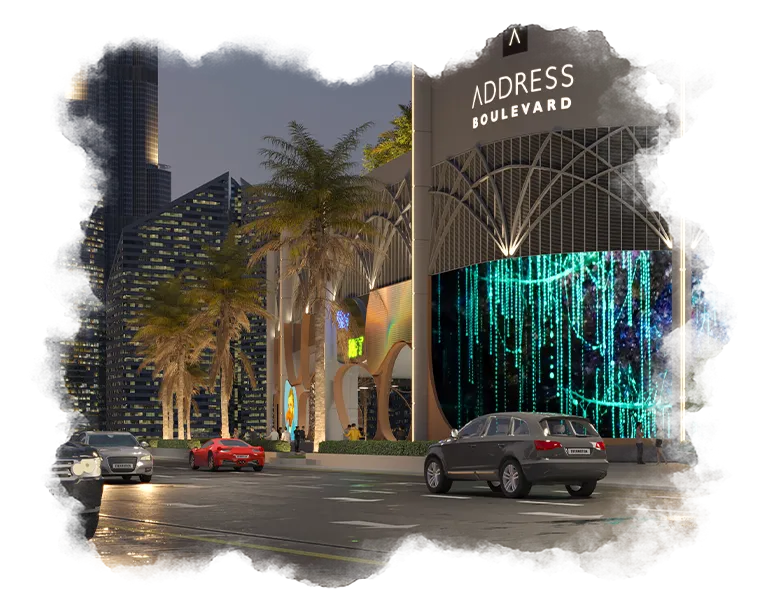
The customer journey begins long before they enter the store. A well-designed storefront is a powerful first touchpoint that sparks curiosity and invites exploration. Motion graphics, layered textures, AR displays, or dynamic materials can create a striking “wow factor.”
Within the fast-growing retail landscape of the GCC, storefront design is essential to expressing a brand’s identity. Every visual element should tell a story that draws people inside—setting the tone for a seamless and engaging retail journey.
Crafting Versatile, Human-Centered Spaces
Leading global brands such as Adidas, Gentle Monster, and Nike have reimagined their stores as multifunctional environments that merge art, lifestyle, and community. These spaces do more than sell products—they immerse visitors in the brand’s world.
In the context of retail interior design in the GCC, versatility and personalization are key. Apple revolutionized retail by encouraging customers to touch, test, and experience technology in open, tactile environments. The Genius Bar added a crucial human element, offering support and trust that digital experiences alone cannot match.
Shaping the Future of Physical Retail
At Waru Interior Design, we believe that understanding people’s needs and designing experiences around them is what keeps physical retail relevant. Our approach to retail interior design in the GCC focuses on creating sensory-rich journeys that encourage connection and celebrate individuality.
Thoughtful design is more than aesthetics—it is about emotion, interaction, and belonging. By blending design innovation with human experience, brands can transform every store visit into a meaningful and unforgettable moment. This is the future of Retail Interior Design GCC.